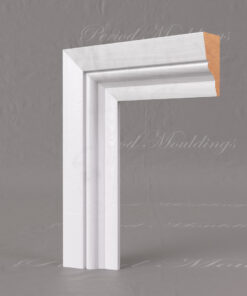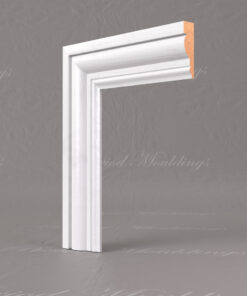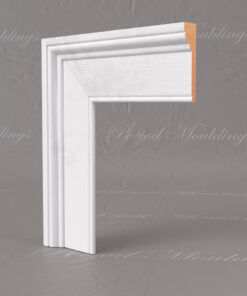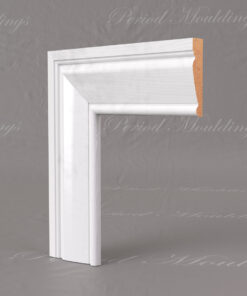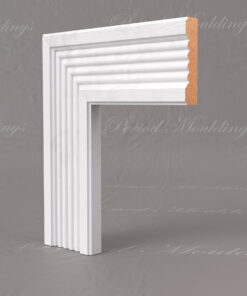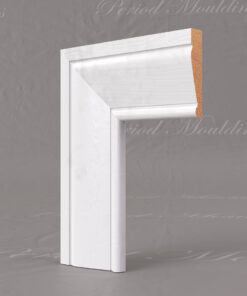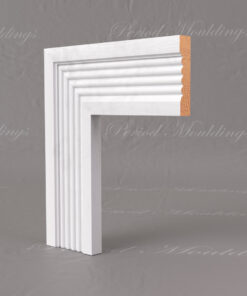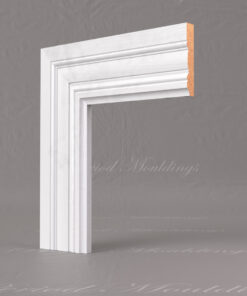

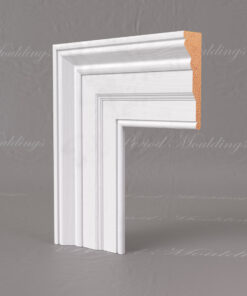
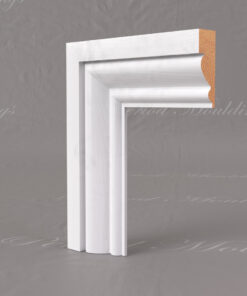
Georgian architraves are interior mouldings inspired by the architectural style of the Georgian period (1714–1820). Characterised by balance, proportion and classical influence, Georgian mouldings complement the symmetry and refined detailing found in Georgian interiors.
2.4M
2.4M
2.4M
2.4M
2.4M
2.4M
2.4M
2.4M
2.4M
2.4M

The Georgian architectural period is defined as the period from 1714 to 1820 - the reigns of George I, II and III and from 1820-1837 known as Regency architecture covering the reigns of George IV and William IV.

The styles throughout these periods often changed dramatically from their original influences created by Italian Andrea Palladio which encouraged rich interior decoration, curvilinear forms, and powerful lines and symmetry.

Georgian architectural period was Influenced by these origins and leading architects such as William Kent and Robert Adam, used this inspiration in producing designs that offered an ambience of mathematical harmony and order, where balance and proportion were the order of the day.

The key features of this period are symmetry, proportion, high ceilings and classic understated internal mouldings and doors.

The proportion methods also extended to the size of the internal moulding features, with larger sizes in the entertaining rooms and sizes diminishing through the upper floors of the building, finishing with simple moulds being used in the housekeeper’s quarters on the top floor.

Architraves were both functional (https://www.periodmouldings.co.uk/blog/what-is-architrave-and-how-can-you-use-it-in-your-home/) and subtle where the complexity and depth of the architrave projection often denoted the status of a room; grander rooms on lower floors had more extravagant mouldings than the housekeepers’ quarters.