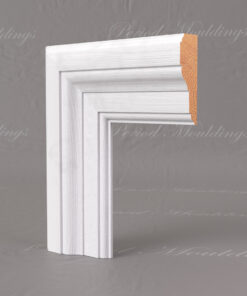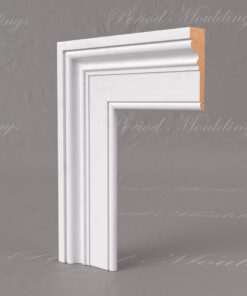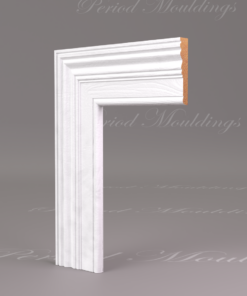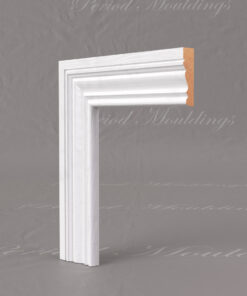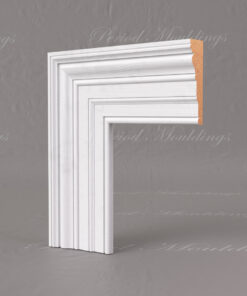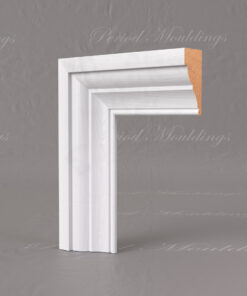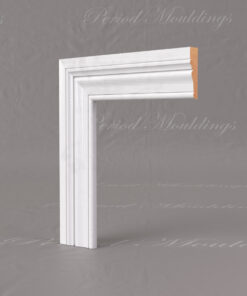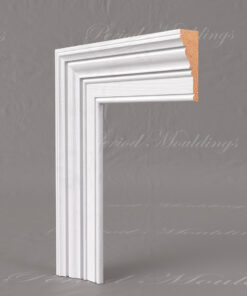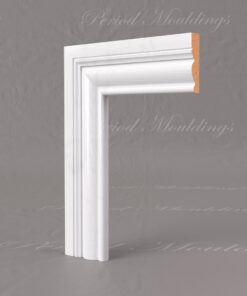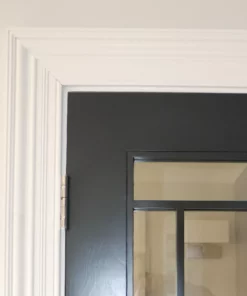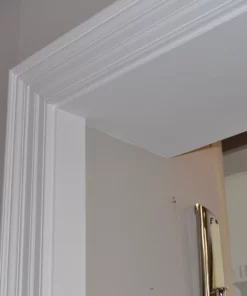

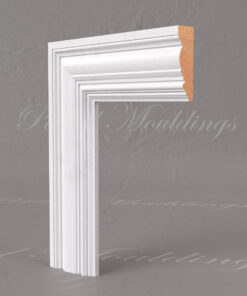
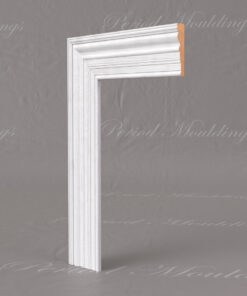
Victorian architraves reflect the decorative interior style of the Victorian period (1837–1901). Compared with earlier Georgian designs, a Victorian architrave often features deeper mouldings, richer detailing and more expressive profiles.
2.4M
2.4M
2.4M
2.4M
2.4M
2.4M
2.4M
2.4M
2.4M
2.4M
2.4M

The Victorian architectural period is defined as from 1837 to 1901 the reign of Queen Victoria.

The early decades of the Victorian Era were influenced heavily by the fast-paced industrial revolution where mass production of mouldings made them readily available and affordable. The dominance of expensive handmade craftsmanship quickly gave way to machine cost-effective manufacturing.

This period saw the breaking away from the traditional symmetrical lines and an emergence of intricate, daring styles with elaborate and bold colours and designs.

Door and skirting blocks became a noted feature as many of the larger Victorian homes incorporated highly decorative two- and three-piece skirtings.

There was the arrival of the picture rail and dado rail on mass although these were features in Georgian houses but predominantly for decoration made of plaster.

Architraves were daring, large and had real “bling” they made a statement that the owners of these houses had arrived. Yet there were also subtle smaller moulds that copied elements of the Georgian period and merged it with intricate indentations on the architraves to frame a door.

This period was one of the greatest periods of house buildings in the UK and therefore we have a plethora of outstanding examples of civic, ostentatious country residences and wonderful terraces in cities such as London, Edinburgh, Harrogate, Bristol, and Glasgow.