

500+ EXCLUSIVE PERIOD DESIGNS
SECURE ONLINE ORDERING
FSC SOURCED TIMBER
MADE IN YORKSHIRE
FAST TURNAROUND
BESPOKE AVAILABLE
Showing the single result
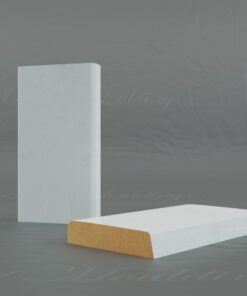
Use a skirting plinth block when the skirting board and architrave do not meet cleanly at the base of a doorway. The block should usually sit slightly proud of both mouldings, giving each piece a clean edge to finish against. This creates a more professional junction and can make fitting easier where walls, floors or original joinery are not perfectly square.
For most installations, choose a plinth block that is taller than the skirting board and wide enough to sit comfortably beneath the architrave. If you are matching existing period wooden skirting, compare the height, depth and profile detail before ordering.
A Pine plinth block is a practical choice for painted woodwork, while an Oak plinth block suits interiors where the natural timber will remain visible. Decorative plinth blocks can add more character around a doorway; simpler blocks create a quieter transition between detailed mouldings. The right choice should suit the proportions and finish of the surrounding skirting and architrave.
Skirting blocks and plinth blocks sit at floor level, where skirting meets the vertical door surround. Corner blocks, sometimes called rosette blocks or architrave corner blocks, sit higher up where architrave pieces meet around the top corners of a door or window. For a consistent full surround, pair your plinth blocks with complementary architraves and corner blocks.
A plinth block is a solid timber finishing block fitted at the base of a door surround. It provides a clean meeting point for the skirting board and architrave, avoiding a difficult joint between two different moulding profiles.
Skirting blocks are used to finish the junction between skirting boards and door architraves. They can conceal small gaps and uneven cuts while giving the doorway a more deliberate architectural detail.
Plinth blocks work with both. The skirting board finishes against one side of the block and the vertical architrave finishes above it, creating a tidy transition at the base of the doorway.
Skirting blocks and plinth blocks are names commonly used for blocks at the base of a door surround. Corner blocks sit at the upper corners of a door or window, where horizontal and vertical architrave lengths meet.
Choose a block that is taller than the skirting board, wide enough to sit beneath the architrave and slightly thicker than the adjoining mouldings. Check all three measurements against your existing or chosen profiles before ordering.
Yes. Pine works well for painted finishes, while Oak is a strong choice when you want the natural grain to remain visible. The available timber options are shown on each product page.
They do not need to repeat the exact profile, but their scale, timber and finish should complement the skirting and architrave. A simple block often creates the cleanest transition between more decorative mouldings.
Last updated: 5 October 2026.