

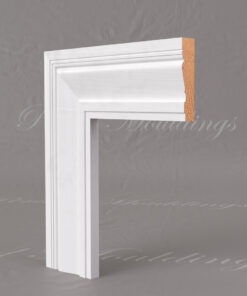
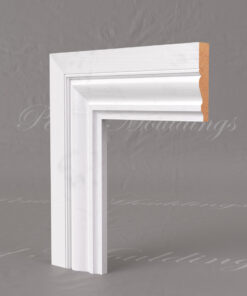
Edwardian architraves reflect the lighter architectural style of the Edwardian period (1901–1910), featuring simpler profiles and more restrained decorative detailing.
2.4M
2.4M

The Edwardian architectural period from 1901 to 1910 covered the reign of Edward VII. It is often described as a reaction to the dark clutter opulence of Victoria era.

It prioritises light, spacious room with pastel colours with smaller but efficient room sizes and contained a diverse influence of design including Arts and Crafts, Art Noveau and Georgian revival.

The period was often described as the “people’s period of house building” as there was a vast expansion in house building throughout the period, the creation of new towns, and houses that had the opportunity to have a wider footprint, unlike the tall Victorian terraces.

They were often detached or semi-detached and the design were seen as wholistic by some and repetitive by others. With the synchronicity of design was installed both inside and outside the properties with newly available front and back gardens.

The leading architects of the period were Sir Edward Lutyen who designed many buildings including the famous Cenotaph in London and Charles Rennie MacIntosh know for Arts and Crafts and his foray in the Art Noveaux designs.

The architraves tended to be less ornated, paired back with key features illustrated in flat sections with small moulds on the inside or outside the architrave. The general feel is clean, and machine driven but nonetheless can look subtle and stylish.