

500+ EXCLUSIVE PERIOD DESIGNS
SECURE ONLINE ORDERING
FSC SOURCED TIMBER
MADE IN YORKSHIRE
FAST TURNAROUND
BESPOKE AVAILABLE
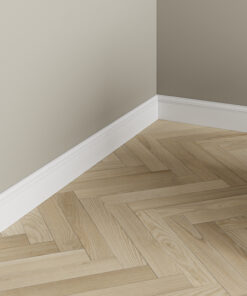
Give your home that authentic period appeal with traditional wood skirting boards from Period Mouldings. Our carefully crafted collection draws inspiration from key eras in British design history, offering period skirting board profiles in Georgian, Victorian, Edwardian and contemporary styles. Whether you are renovating a period property or fitting out a new build, our range of wood and timber skirting boards is available in a wide choice of sizes, profiles and finishes, with delivery across the UK.
All our skirting boards are manufactured in Yorkshire, backed by over 12 years of experience in period wooden skirting and traditional timber craftsmanship. Our collection ranges from decorative skirting board profiles with ornate Victorian and Georgian detailing to clean, understated Edwardian and contemporary designs. Each profile is available as a hardwood skirting board in Pine, Tulipwood, Sapele, or as an oak option for painted finishes.
At Period Mouldings, we pride ourselves on authenticity. Our Georgian skirting boards are available in all sizes and are designed to fit perfectly into a traditional property of this period. Browse our range of authentic, made in Yorkshire Georgian skirting boards below and contact us today with your requirements.

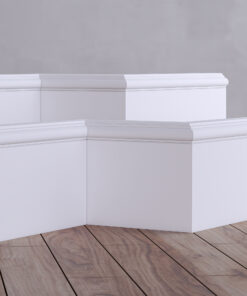
Style your home with authentic Victorian skirting boards to give it a complete and genuine traditional feel. We can help you retain the style and elegance of your Victorian property, right down to the detailed profile of your skirting boards. Our range of skirting boards are designed to complement your period property, hand crafted in Yorkshire and available in a range of sizes, quality woods, styles and lengths.
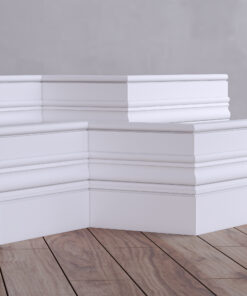

Period Mouldings use over 12 years’ experience in the industry to supply authentic period skirting boards which exemplify traditional wood craftsmanship, and enable the original features of period properties to be retained and restored. You can complement the fine interior details found in Edwardian properties with a historically accurate skirting board available in all sizes.
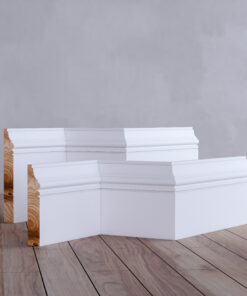
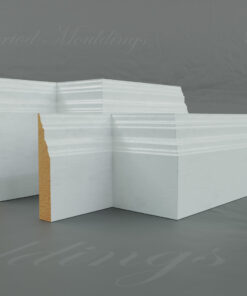
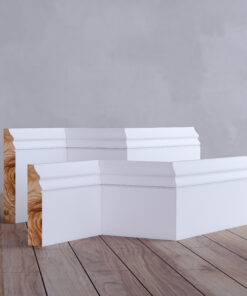
At Period Mouldings we use our many years’ experience in the industry to reflect all period design styles in our skirting board product range. This includes hand-crafted designs for more modern homes and contemporary skirting boards to suit Art Deco, Art Nouveau and fresh, minimalist and stylish designs that are popular today.
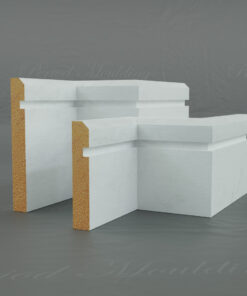
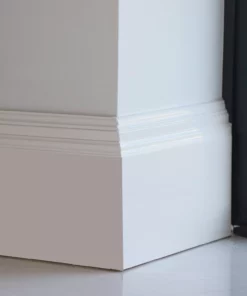
Skirting board mouldings are the shaped timber boards fixed along the base of interior walls, where the wall meets the floor. They serve a practical purpose, protecting the plaster from knocks, scuffs, and furniture, but they're also one of the most impactful decorative details in a room. The word "moulding" simply refers to the shaped profile machined into the face of the board. Those curves, steps, and recesses give the skirting its character, and skirting board mouldings range from simple, clean profiles to elaborate traditional designs with multiple layers of detail.
In practice, there's no meaningful difference between them. Wood skirting and timber skirting are simply two ways of describing the same thing, and both refer to skirting boards made from natural, solid material rather than MDF or other composites. You'll hear the terms used interchangeably across the trade. What matters far more than the terminology is the species of timber, whether that's pine, oak, Tulipwood, or another hardwood, as that affects the appearance, durability, and how the board takes a finish.
A period skirting board is one that follows the design conventions of a specific architectural era, Georgian, Victorian, Edwardian, and so on. These styles are characterised by generous height and elaborate profiles, often featuring combinations of ogee curves, ovolo beads, and chamfered steps that create a strong visual presence at the base of the wall. A traditional skirting board draws on these same heritage profiles without necessarily being tied to a single period. It's a broader term for any skirting that references classical or historical design, and both tend to look their best in older properties where the proportions of the rooms call for something substantial.
Vintage skirting and antique skirting boards refer to either original period timber salvaged from older buildings, or new boards machined to replicate historical profiles with authenticity. Genuine antique skirting board has the appeal of original patina and aged timber, and can be a lovely option for restoration projects where matching existing woodwork is important. Vintage-style profiles, machined from fresh timber to traditional designs, offer the same aesthetic character but with the consistency and ease of new material. Both approaches are popular in period renovations where modern off-the-shelf profiles simply don't have the depth or detail to suit the space.
Yes, our hardwood skirtings are available in a range of species to suit different applications and finishes. Hardwood is the natural choice where the skirting will be stained, oiled, or finished clear, as the grain and warmth of a timber like oak or Sapele simply can't be replicated in a painted softwood. Hardwood skirting is also more resilient than pine in areas that take heavy use, and it machines to a crisper, finer profile on more intricate moulding details. Get in touch if you'd like advice on which species best suits your project.
A plain skirting profile is essentially a flat board with a simple eased or chamfered edge, clean and unfussy, and well suited to contemporary interiors. A decorative skirting board has a shaped face with multiple elements, including curves, beads, coves, and steps that catch the light and add visual weight to the base of the room. The level of decoration tends to reflect the style and age of the property. A Georgian townhouse might call for a tall, elaborate profile with several distinct moulding elements, while a simpler Victorian terrace might suit a single ogee with a pencil bead. Decorative skirting boards are generally associated with period and traditional interiors, but they can work beautifully in contemporary spaces too, particularly where a room benefits from a stronger sense of proportion and detail.
Start with the age and character of the property. Each architectural period has its own conventions around height, profile, and detail, and matching these will always give the most authentic result. Victorian homes typically suit a tall skirting with a bold ogee and ovolo profile, Georgian properties tend to favour a more restrained and classical shape, and Edwardian houses often sit somewhere between the two, with generous height and moderate decoration.
If there are any original period wooden skirting boards surviving elsewhere in the house, those are your best guide. Matching or closely complementing the existing profile will give the most coherent result. Where the original skirtings have been lost, the height of the ceilings is a useful reference, as taller rooms generally warrant taller, more detailed skirtings to keep the proportions feeling right. If you'd like a recommendation, share a few details about your property and we'll point you in the right direction.